If you are planning to stay in Tokyo for 2 days, you have more opportunities to explore this bustling metropolis and get off the beaten path. This itinerary offers a mix of traditional sights, quiet neighborhoods, and lively nightlife. If you have different interests, you can swap a few places with options from my Day 3 or Day 4 itineraries.
Here you will find the guide to visiting Tokyo and possible itineraries.
Day 1 Highlights
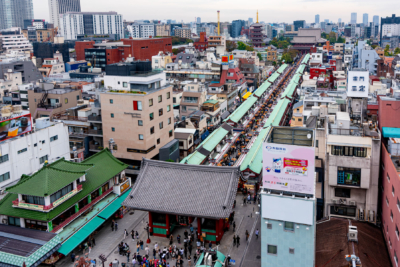
Asakusa with Sensoji, Ueno Park with Museums, Akihabara, Shibuya Crossing and possibly, Shinjuku’s Kabukicho in the evening
Day 2 Highlights
Rikugien gardens, Sugamo district, Ikebukuro area, Shinjuku area – Tokyo Metropolitan Government Building, Park Gyoen, Golden Gai, Kabukicho
This will be another day of using Tokyo’s excellent metro network. Especially considering that this itinerary starts a bit out of the very central areas. However, you will explore interesting neighbourhoods to get a taste of Tokyo’s many sides.
If you have only two days in the city and prefer to explore the most popular tourist sites, modify this itinerary to fit in Harajuku and Shibuya areas in the morning and afternoon before heading to Shinjuku.
Rikugien Gardens
Price: 300 Yen, booking in advance not needed
Working hours: 9 AM – 5 PM
Rikugien is one of Tokyo’s lovely traditional gardens. It’s a bit of a hidden gem – not on the radar of most tourists, making it peaceful and poetic. If you’re looking to escape the city’s noise without actually leaving it, this is the place. There’s a small lake, elegant bridges, and winding paths for you to explore.

The garden is particularly gorgeous during the Sakura and Momiji seasons, offering lovely colors and cute atmosphere.
We visited in the late afternoon in November. The weather was wonderful with soft lights and no crowds—in fact, we had entire paths to ourselves. The garden had an almost eerie quiet. This being the first garden in Japan we visited, it certainly left a lasting impression.
If you have time, spend a couple of hours here, just enjoying your morning before heading to Grandma’s Harajuku next.
Sugamo District
Often nicknamed the “Grandma’s Harajuku,” Sugamo is a charming, down-to-earth neighborhood that offers a very different perspective of Tokyo life – this is not a trendy or fancy neighbourhood tourists frequent, but that’s what makes it even more interesting. Sugamo isn’t a must-see in the classic tourist sense. But if you enjoy quirky neighborhoods with character, kindness, and good snacks—it’s definitely worth a visit.
If you want to see the city slow down a little and browse shops selling clothes, crafts and souvenirs, as well as cozy eateries – this is your place. The main street, Jizo-dori, is the heart of the district. There’s a laid-back atmosphere and people don’t rush. Off the road is the Koganji Temple, where people come to pray for healing. You will also find older kissatens and traditional teahouses in this area.
We visited on a weekday late afternoon. Stores were already starting to close down, but the atmosphere was still lovely.

Ikebukuro Area
This ride will be an attraction in itself, because the trains running on this route are kawaii. This is often called Sakura tram – the name comes from the lovely views of the cherry blossoms in spring. We loved this cute tram with its old time charm. It’s one of the two surviving tram lines, along with the Setagaya Line, which you’ll see on Day 3 of this itinerary.
Ikebukuro doesn’t always get the attention it deserves, but it’s a lively modern part of Tokyo with a little bit of everything: Shopping, entertainment, anime culture, and just enough chaos to keep things interesting.
The east side is more youthful and livelier, with places like Sunshine City (a massive shopping and entertainment complex, which is quite a maze), arcades, themed cafés, and everything anime – for example, there’s a Pokemon store, Animate… If you are a Sanrio fan, you will find the themed café in the Sunshine city on the B1 level. We visited in the evening and were lucky to be given a table without any wait time. You can see my experiences in my dedicated post.
The evening around this area was fun. Coming from South we walked around quieter neighborhoods and ended up in the bustling part of the district.

Ikebukuro isn’t as polished as Shibuya or as iconic as Shinjuku, but it’s a fun energetic part of Tokyo to feel the modern spirit. That said, if you are short on time, you can skip it and head directly to Shinjuku.
Shinjuku: The Bustling Heart of the Metropolis
Shinjuku is a city inside a city. It’s even bigger than many capitals around the world. It’s chaotic, overwhelming, a bit rough in places, but very fascinating. The diverse faces of this area is striking, you have government buildings, lush parks and fancy neighbourhoods bordering smoky bars, red-light district and neon-lit madness.
For the purpose of this itinerary, from the late afternoon, you can visit Tokyo Metropolitan building for the views, then head to the Park Gyoen. In the evening you can explore Golden Gai and Kabukicho areas for some fun.
Here’s my detailed guide to exploring Shinjuku neighbourhood.

Wandering how to plan your days in Tokyo?
Join our travel community on Facebook Coffee Fueled Travel Club
See Also