
Tokyo is the largest metropolis in the world, home to over 13 million people with more than 37 million in the greater metropolitan area. Despite its image as a modern, fast-paced, and tech-savvy city, Tokyo has a long and complex history.
It began as a small fishing village called Edo, which rose to prominence in 1603 when Tokugawa Ieyasu established his shogunate here. In 1868, the emperor moved the capital from Kyoto to Edo, which was then renamed Tokyo – meaning “Eastern Capital.”
Unfortunately, much of Tokyo’s historic architecture was destroyed during World War II. As a result, the city today feels thoroughly modern, with fewer preserved historical areas than cities like Kyoto. Still, glimpses of its past remain, especially in neighborhoods like Asakusa.
I planned a very packed Tokyo itinerary, as Japan has been long on my bucket list and I didn’t want to miss anything from among my priorities. Of course, no one can truly experience Tokyo in just a few days – but you can get a solid first taste.
I created a 4-day itinerary focused on Tokyo itself (not counting day trips). It’s designed for active travelers who enjoy walking and want to dive into the city’s cultural and historical highlights. If you prefer a slower pace, you might want to pick and choose from the suggestions. Feel free to drop a few stops per day and just soak in one neighborhood at a time.
This guide leans toward cultural experiences and traditional sites. It doesn’t focus on shopping, gaming, or nightlife. Though we did explore some of those too, our priorities were more rooted in seeing the beauty of the city and experiencing its daily rhythms.

- Tips for Developing your Tokyo Itinerary
- How Many Days to Spend in Tokyo?
- When to Visit Tokyo?
- Getting around in Tokyo
- Tours & Transport Alternatives in Tokyo
- What to Book in Advance for Visiting Tokyo
- Attraction Passes in Tokyo
- Finding Accommodation in Tokyo
- Best Tokyo Itineraries
- Arrival Day
- Day 1 Tokyo Itinerary
- Day 2 Tokyo Itinerary
- Day 3 Tokyo Itinerary
- Day 4 Tokyo Itinerary
- Additional Days in Tokyo
Tips for Developing your Tokyo Itinerary
How Many Days to Spend in Tokyo?
I guess any person you ask will tell you something different. The truth is, it depends on your interests and travel style. But generally, 4 days offers a well-rounded introduction. In that time, you can explore Tokyo’s diverse neighborhoods – from the jungle of Shinjuku to the historical charm of Asakusa to the cute streets of Shimokitazawa – and get a solid feel for its vibrant, layered culture.
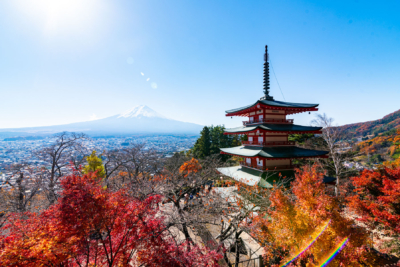
With less than 4 days you will probably feel like you’ve barely scratched the surface. More than that? You’ll have time to dive deeper, take day trips (like to Nikko or Kawaguchiko), explore interests like anime culture or quirky museums and maybe go on a shopping spree.
Also consider what types of cities you enjoy. Tokyo is a modern metropolis—vast, electrifying, and full of contrasts. It has historical corners and traditional shrines, yes, but it’s not a postcard-perfect town like Kyoto. If you prefer quiet lanes and old-world charm, you might find Tokyo intense. So choose your days wisely, based on how much urban buzz you’re up for.
When to Visit Tokyo?
Tokyo is great any time of the year. Here are your main options:
- Spring (late March to early April): The Sakura (cherry blossom) season is iconic. Parks and riverbanks turn pink, and the whole city is entranced with the beauty of spring blossoms. There are a number of festivals and celebrations during this time.
- Autumn (November to early December): The Momiji (autumn foliage) season colours the city’s parks in red and yellow. It’s a less popular time than spring, but you will find beauty at every corner.
- Summer (July–August): Expect heat and humidity, but also festivals and vibrant street celebrations like Obon.
- Winter (December–February): While it can be chilly, skies are usually clear and crowds thinner. Illuminations and New Year traditions offer a unique experience.
Getting around in Tokyo
Tokyo’s public transport system is a huge octopus. Your main mode of transportation will be the metro network, which is efficient, punctual, and clean. If you’re not used to massive metro systems, Tokyo’s might feel overwhelming at first – but you will get used to it in a couple of days and start navigating with more confidence. I can’t say I get confused almost anywhere around the world with public transport, but Tokyo was certainly a challenge even for me. Signs aren’t exactly great, although you learn their style after a while. My advice is – just don’t rush, leave yourself time to figure it out and you will manage easily.

Grab yourself an IC card like Suica or Pasmo as soon as you arrive. Or if you are a lucky Iphone user, just download an app. You can use it on almost all trains, buses, and even at convenience stores. It saves time and effort – you just tap and go.
There are also tourist versions of the IC cards, for instance Welcome Suica. The difference is that Welcome Suica works only for 28 days, but doesn’t require a deposit. Meaning however much you put on the card, that’s what you will be spending. The normal Suica works for 10 years. You put a deposit of 500 yen. If you return it, you get your deposit and remaining balance back. You can order Welcome Suica online, however, this is unnecessary, as you can simply buy your IC card on the spot at the train stations or airports.
Google Maps is your friend. It tells you which modes of transportation to take and which exit is closer to your destination.
A quick note: Tokyo’s transport (as in the whole Japan) doesn’t work overnight. Most trains stop around midnight, so plan your late-night outings accordingly unless you’re fine walking or catching a (very expensive) taxi.
Find out detailed tips on how to get around in big cities in Japan in my dedicated post.
Most tourists complain that even with an excellent public transport they had to do a lot of walking. That is true. Stations are big, the sights are fascinating, so you continue walking before you remember that your feet hurt, and there’s always something else interesting just around the corner. I doubt you can avoid this, so be prepared with the shoes you trust.
Tours & Transport Alternatives in Tokyo
With the right planning, you can navigate Tokyo using public transportation. You may get lost at times, but it’s part of the experience 🙂 On the other hand, this involves quite a lot of walking – we walked on average 20,000 steps a day, which is perfectly fine for us. But if you have mobility issues, it may be difficult for you. In such case, either choose one or two areas to explore per day, or decide if any of the tours would be better for you. Just keep in mind that any of those options will cost far more than exploring independently using public transport:
- Hop-on Hop-off Buses: These are the open top buses traversing different parts of the city. There are 3 main routes – the Tokyo Skytree line or the Shinjuku-Shibuya line cover the most major areas. However, these buses get stuck in traffic. Plus, they only work till 5pm, which leaves you to find transport for the evening anyway. They are also not a cheap option – public transport will end up being much cheaper. So decide, if it’s worth it for you. You can buy tickets for them on the spot or via GetYourGuide or Klook.
- Day Bus tours: There are a number of options that allow you to get around the city by bus and accompanied with a tour guide. There are big group tours, small group tours and private tours – check them out on various platforms, including GetYourGuide and Klook. I am including this here, because while expensive, these tours can be the option for people with mobility issues, who want to limit walking. I myself haven’t tried that though because of Tokyo’s great public transportation system.

What to Book in Advance for Visiting Tokyo
Most locations on this itinerary don’t have to be prebooked, however, if you specifically want to see and do some popular attractions, like Shibuya Sky, you probably better book in advance – find full details in my dedicated post.
- Shibuya Sky: Buy tickets at their official website or Klook.
- Ghibli Museum: You can only buy tickets at the international option of the website, as a foreigner without the Japanese phone number. The website is a nightmare – see the instructions in my relevant post.
- Teamlabs Borderless: Tickets can be purchased on the official website or Klook – at the time of writing this option includes free e-sim as well for the same price.
- Teamlabs Planets: You can get your tickets from the official website, GetYourGuide or Klook – with free e-sim. Prices vary according to the date and time so double check well.
- Tokyo Disney resort, including Disneyland and DisneySea: Here is the website you can consult for relevant reservations. You can also buy tickets through third parties, like Klook or GetYourGuide.
- Warner Bros – The making of Harry Potter: Get your tickets on their official website or Klook or Trip.com.
This is the short list of attractions that are better booked in advance. Besides these, it’s best to book your accommodation. Some cafes and restaurants also require reservation. This particularly applies to the themed cafes and popular restaurants.
You should also consider booking performances, like sumo shows, kabuki theatre or tea ceremonies:
- These highly rated sumo wrestling tournament tickets should definitely be secured in advance.
- Besides, this tea ceremony and kimono experience should also be booked at least a few days in advance.
For detailed information, see my post with detailed tips on what you need to book in advance.
Attraction Passes in Tokyo
Most historical locations in Tokyo are free or cheap, unlike in Kyoto. Because of this I don’t advice buying any attraction passes during your first visit. However, you might still be interested in the following passes, depending on how many expensive sights you plan to visit:
- Tokyo Grutto Pass – A new pass introduced in 2025 offers free or discounted to over 100 Tokyo museums. It works for 2 months, so if you have a long time in Tokyo and are planning to visit many museums and gardens, it might be useful for you. I won’t recommend this to most short-term travelers. You can buy tickets via Trip.com or Kkday, they are the official distributors.
- The Tokyo Pass – This is a more expensive pass, and in most cases, I don’t think it offers great value, unless running around the city all day. However, if you plan to visit several expensive sites that are close together, like Ueno museums, you might still consider it.
- Klook Pass for Tokyo – This pass allows you to select 2 to 7 sightseeing spots. It can be worth it, depending on the attractions you want to visit. For instance, if you select the option of 3 spots and want to visit Teamlab Borderless or Planets, 1-day Hop-on Hop-off Bus pass and Shibuya Sky, it will save you about 3000 yen. On the other hand, if you are not going to visit the most expensive attractions, you will be better off without the pass.
Finding Accommodation in Tokyo
The best area for finding accommodation varies depending on your budget and priorities. While there are several areas people usually suggest to first time visitors (Shinjuku, Shibuya, Ueno, Akihabara, Ginza, Asakusa), I advise to look elsewhere to find more budget options. Orient yourself according to the best transport links. You will be using trains every day anyway, as Tokyo is a huge city and the sites aren’t close to each other.
Another important note: you don’t necessarily need to be staying along Yamanote line, as many people suggest. Practically any other metro stop nearby will do the job.
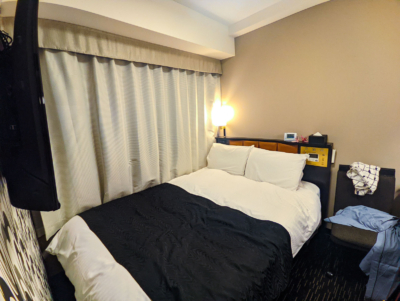
We stayed at Sotetsu Fresa Inn Tamachi (which is not a touristy area, hence was cheaper) and Henn na Hotel Akasaka. Both were great options with good links with public transportation.

Best Tokyo Itineraries
Arrival Day
I am not counting this day in the itinerary. If you arrive early in the morning and aren’t exhausted from the red eye flight, you may be able to follow this itinerary from first day. Otherwise, just get your Suica card and, maybe the JR Pass, arrange the SIM card, and head to a café near your hotel.
Here are all the tips about money matters in Japan
Here is the guide to cute cafes in Tokyo for you to choose cafes near your hotel
Day 1 Tokyo Itinerary
Highlights: Asakusa with Sensoji, Ueno park with museums, Akihabara (or possibly, Shinjuku and Shibuya areas)
If you have only one day in Tokyo, you can either follow this itinerary, or skip Akiba and include Shibuya crossing and visit Shinjuku in the evening (see below). You can technically walk without taking public transport, although if you prefer to take transport, connections between all these places are easy, you would need one or two stops on metro.
Day 2 Tokyo Itinerary
Highlights: Rikugien gardens, Sugamo district, Ikebukuro area, Shinjuku area – Tokyo Metropolitan Government Building, Park Gyoen, Golden Gai, Kabukicho
If you have only two days in Tokyo follow this itinerary, just add Shibuya in the evening of day 1. On this day, you will definitely need to rely on the excellent metro network of the city. Getting around between the locations listed is easy enough, with no metro changes required.

Day 3 Tokyo Itinerary
Highlights: Gotokuji temple, Shimokitazawa district, Harajuku – Yoyogi park, Meiji shrine, cafes, Shibuya
This post has detailed information on what to see on day 3.
If you have only three days in Tokyo, closely follow this itinerary. On this day you will need to rely on Tokyo’s metro network to get around.
Day 4 Tokyo Itinerary
Highlights: Akasaka with Hie shrine, Roppongi with National Art Center and Mori tower, Zojo-ji, Hamarikyu gardens, Ginza with Miyazaki clock and Careta Shiodome
This post has detailed information on what to see on day 4.
On day 4 you can easily walk between the locations listed, but if you would prefer, you can hop on metro.
Additional Days in Tokyo
If you have more days in Tokyo, there are a number of excellent day trip possibilities:
- Day trip to Nikko
- Day trip to Kawaguchiko (or Hakone)
- Day trip to Kamakura
See also
Join our travel community on Facebook Coffee Fueled Travel Club
See Also

Wow, this is an incredibly thorough guide! I love how you’ve broken down each day with highlights, transport tips, and even when to book attractions. The balance between cultural spots, gardens, and city vibes makes it so easy to plan a perfect Tokyo trip. Definitely bookmarking this for my upcoming visit!
Thank you. I am very glad the guide is useful. Let me know if you have any questions for your trip.