Seoul – a bustling city of nearly 10 million people – has been undergoing major development for decades, with rising skyscrapers, cutting-edge technology and a fast pace of life. Yet, historical palaces, traditional hanok villages and centuries-old temples sit right in the middle of modern districts full of cafés, markets and neon lights.
I expected Seoul would fascinate us and it definitely didn’t disappoint. Whatever your interests, you will find something to enjoy here.
When I was planning our trip, as usual my itinerary turned out to be quite packed. I always prefer making the most of my time in a new place. Some people told me it would mean running around all day, but honestly I prefer packed days to sitting and relaxing in a park (that is certainly nice too but can be done anywhere, while we had a limited time in Korea).
In this guide you will find practical tips for visiting Seoul, including when to go, how to get around, where to stay and how to plan your days efficiently. I also include a short overview of our five-day Seoul itinerary with links to relevant detailed itineraries.
Please, note that this guide doesn’t include the attraction parks or shopping. If you are interested in those, I can give some tips separately. But as much as we would have liked to visit both (I would check out some of the attractions and buy some Korean clothes), those were not our priorities in our short timeframe.
When to Visit Seoul
Given that South Korea has distinct seasons, it’s important to find the right time for your trip. Seoul can of course be visited year-round, but some seasons are definitely more comfortable for sightseeing.
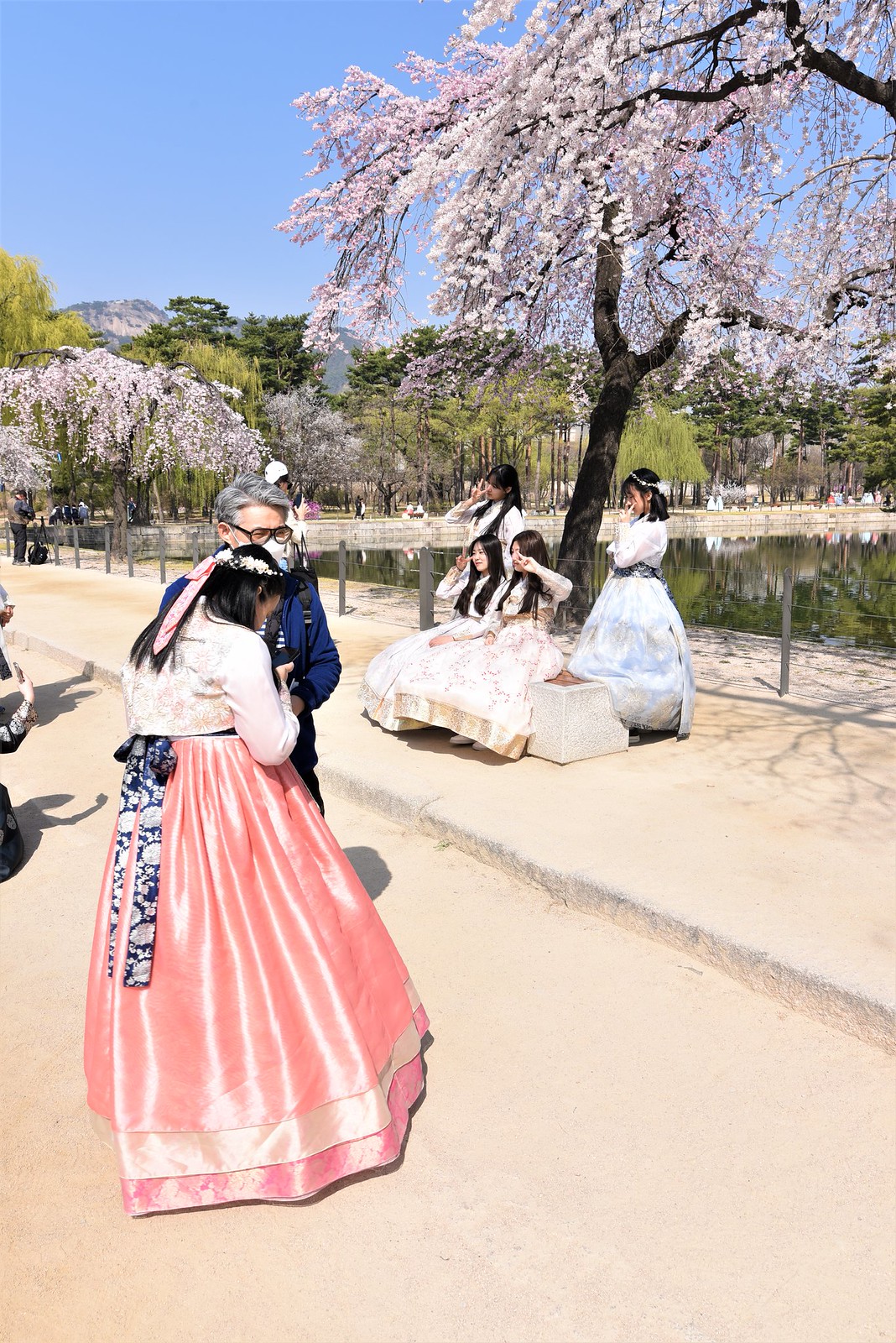
- Spring (March-May) is one of the, if not the, most popular times to visit. Cherry blossoms usually bloom in late March or early April and turn parks, palace gardens and riversides into beautiful pink landscapes. This is when we chose to visit for the first time.
If you are visiting Seoul during March-April – check out my guide on chasing the cherry blossoms.
- Autumn (October-November) is another excellent season. Temperatures are mild and the city’s parks and palaces turn gorgeous shades of red and yellow.
- Summer (June-September) can be very hot and humid. The rainy season can make sightseeing more difficult, although the city is still lively and full of festivals. Plus, there are a lot of things to do indoors, when it’s raining. The shoulder season of May-June can be pleasant, with less humidity.
- Winter (December-February) is cold but if you don’t mind that, you will enjoy winter lights, festive decorations and snow.
How Long to Spend in Seoul
This question is difficult to answer, as everyone has different interests. However, Seoul is a big city and has a lot to offer for every type of traveler. Therefore, I recommend spending at least four or five days in the city to comfortably explore the main historical districts, markets and neighborhoods.
But if you only have one or two days, you can still visit main highlights by focusing on the palace area and central neighborhoods.
Below I include a short overview of itineraries, which you can choose depending on how much time you can allocate to the city.
How to Get to Seoul
Most international travelers arrive at Incheon International Airport, located about an hour from central Seoul. There are several transport options to reach the city from here.
- The AREX Express Train will take you to Seoul Station in about 40–45 minutes. It is the fastest option if your accommodation is near Seoul Station or connected metro lines. AREX trains rarely sell out, but it can happen during busy periods. So you could get your ticket and reserve your seat in advance.
- AREX All-Stop Train operates like a metro line and takes about one hour to reach Seoul Station. It is cheaper than the express train and stops at several districts including Hongik University (Hongdae). It is also a good option, if the AREX trains sell out. You will pay for this with T-money card.
- Airport Limousine Bus connects the airport with districts such as Myeongdong, Dongdaemun and Gangnam. Travel time can be longer, depending on traffic. Tickets are usually easy to buy on the spot, but you can also purchase flexible tickets on Klook and exchange them on the spot.
- Regular Airport Buses stop in more neighborhoods across the city and can be convenient if you prefer not to navigate the metro with luggage. If you arrive late at night, buses may also be the easiest option.
- Private Airport Transfer is the most expensive but most convenient option. If you are traveling with heavy luggage or are generally not able to walk much, the door to door service can be of help.
If you are reaching or departing Seoul by train, it’s important to note that the city has several major train stations.
- Seoul Station is the primary hub for KTX high-speed trains to cities such as Busan and Gyeongju. Airport trains also arrive here.
- Yongsan Station – KTX trains to cities like Jeonju depart from here.
- Cheongnyangni Station serves trains heading toward the eastern regions of the country, including routes toward Nami Island.
- Yeongdeungpo Station is another important rail hub used by some regional trains.
On the plus side, all these stations are connected with metro lines making getting around easier.
When booking tickets, always double-check which station your train departs from, as it is not always obvious when purchasing tickets.
For detailed information on transport options, T-money card, metro navigation and booking tickets, see my guide to transport in South Korea.
How to Get Around Seoul
Seoul’s public transportation system is excellent and very easy to use. My favorite mode of transportation is metro. The network connects most districts and attractions. There’s also an extensive bus network, which will allow you to reach areas where the metro is not available, however, given the traffic in the city, it can be more difficult.
For detailed information about transport cards, navigation apps and metro usage, see my full guide to transport in Korea.
Where to Stay in Seoul
Attractions in Seoul are spread across different districts. Unless you are visiting for only a day, it is almost impossible to stay somewhere that allows you to walk to everything. The best strategy is choosing accommodation close to a metro station.
Several neighborhoods are particularly convenient for travelers, given that they offer convenient transport links, as well as food and shopping options.
Myeongdong is the central location with a lot of restaurants, shopping and food places. This is the most popular location for the first-time travelers. If you are visiting for 1 or 2 days, it may save you time, as it’s closest to the major attractions you will cover first. If you are looking for a fancier option in this area, Lotte Hotel Seoul has a great location, space and amenities.
Hongdae is a lively area near Hongik University with nightlife, street performances and a vibrant atmosphere. It’s popular with young crowds. I personally really like Hongdae and would have stayed there, if I found relevant accommodation in my price range. Check out Mercure Ambassador for a great 5 star hotel in an excellent location.
Insadong is another centrally located district close to palaces and cultural sites and offering shopping options nearby. Similarly to Myeongdong, do stay here if you are only visiting for 1 or 2 days. In this area, Dormy Inn – a Japanese business hotel – is a great mid range option with an onsen on site.
Dongdaemun is convenient for shopping and transport connections. The accommodation here is also cheaper compared to other locations I listed here. This is where I chose to stay.
Either way, whichever of these or other areas you choose to stay at, most important point is that your hotel is located near a metro station to make it easy to get around Seoul.
Discover Seoul Pass or Klook Pass
If you plan to visit a number of attractions, while in Seoul, you may want to consider purchasing one of Seoul’s attraction passes. However, before choosing if you need a pass, make a list of attractions you would like to see. These are the major options:
The Discover Seoul Pass includes entry to numerous attractions and museums. It’s worth it, if you are planning to visit attraction parks and other expensive places. I don’t suggest using the pass on the days you will be going to palaces or museums. Here is the detailed information about the types of Discover Seoul passes, as well as suggested 2, 3 and 4-day itineraries with the pass.
The Klook Pass Seoul offers more flexibility, allowing you to choose a set number of attractions at a discounted price. With Klook pass, Lotte World and Everland are add-ons, but there are a few other expensive attractions that may make it worth it.
We haven’t used either of the passes, as we didn’t visit any of the expensive attractions on the list.
What to Book in Advance for Visiting Seoul
In general, Seoul is quite easy to travel around spontaneously and most attractions, including palaces, museums, temples and more don’t require reservations. However, during popular travel periods, especially cherry blossom season and autumn foliage, there might be queues at certain attractions. So booking a few essentials ahead of time can make your trip smoother.
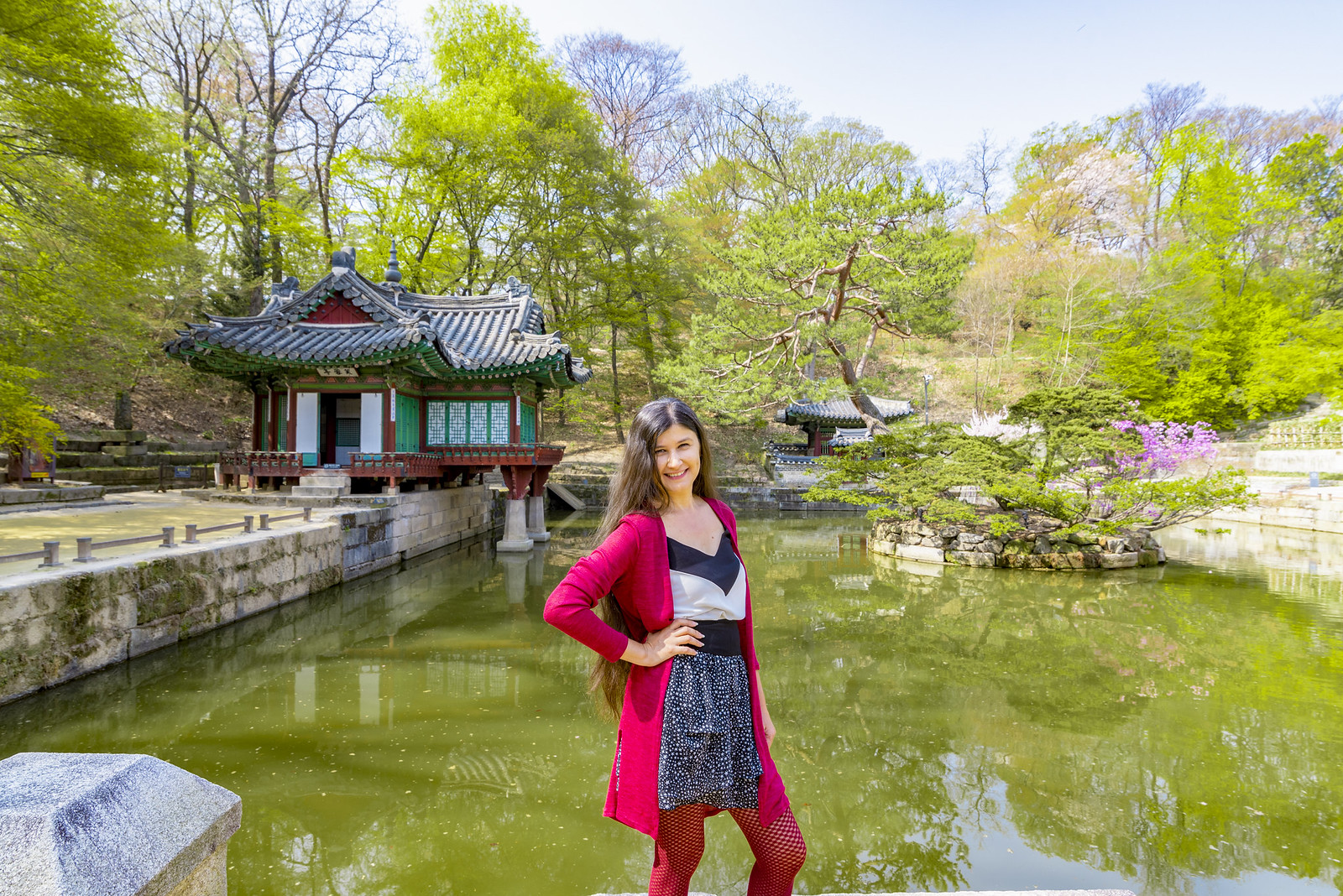
- Secret Garden Tour (Changdeokgung Palace): You cannot visit the Secret Garden without joining a guided tour. While we managed to get tickets on the spot by arriving early in the morning, there was still a queue and we waited for half an hour. This was because I simply was unable to make the official website work. Hopefully you will be luckier than me and manage to grab the tickets online. See my guide on visiting Changdeokgung Palace and the Secret Garden for more details.
- Free walking tours in Seoul: The official Seoul walking tours cover areas such as the city wall, palaces and historical districts. You can book them through the Visit Seoul website. Sometimes it is possible to join if you show up, but availability is not guaranteed.
- Lotte World: You can simply buy tickets at the entrance, but queues can be long during weekends or peak travel seasons. Booking online in advance can save time. Plus, there are often discounts on Klook.
- DMZ Tours: If you want to visit the Demilitarized Zone, you could still find tickets a day before the tour, but I would still advise booking them a few days ahead to ensure it all goes smoothly. There are joint and private tour options for visiting DMZ.
- Nami Island Tours: While you may find a lot of options for these tours, the most popular ones do sell out a few days in advance. Therefore, I do recommend booking them, especially during the busy seasons.
In addition to the attractions and tours listed, I do recommend booking your train tickets, especially KTX tickets in advance. Besides, securing your accommodation a month or two before traveling can save you money, as opposed to a last minute booking.
Other Useful Tips for Visiting Seoul
For developing your itinerary smoothly, there are also several other things I wanted to highlight.
Check palace closing days: Keep in mind that many Palaces and Museums are closed on either Monday or Tuesday, so if you travel on those days, rearrange your itinerary accordingly.
Free guided tours are available: If you like guided tours – Seoul offers a number of free walking tours, inside the palaces, along the city wall, in different districts, etc. the Visit Seoul website has the list of all tours and you can reserve from here. Most of these tours need to be reserved, although some you may be able to join on the spot – enquire in advance.
Renting a hanbok: If you rent a hanbok (traditional Korean attire), you can enter any of the palaces for free. Many people do this, as Koreans don’t consider it cultural appropriation, but appreciation. So if you would like, feel free to visit one of the numerous hanbok rentals. One tip – avoid the ones closest to Gyeongbokgung, and find somewhat farther ones.
Short summary of the itinerary
Arrival day
I am not counting this day in the itinerary. If you arrive early in the morning and are not coming from an overnight flight, you may be able to follow from first day. Otherwise, just grab the T-money card at the airport, pick up the pre-ordered sim card, exchange some money and head to your hotel area.
Here are all the tips about money, internet, etc.
This article gives detailed information about transport, including relevant cards.
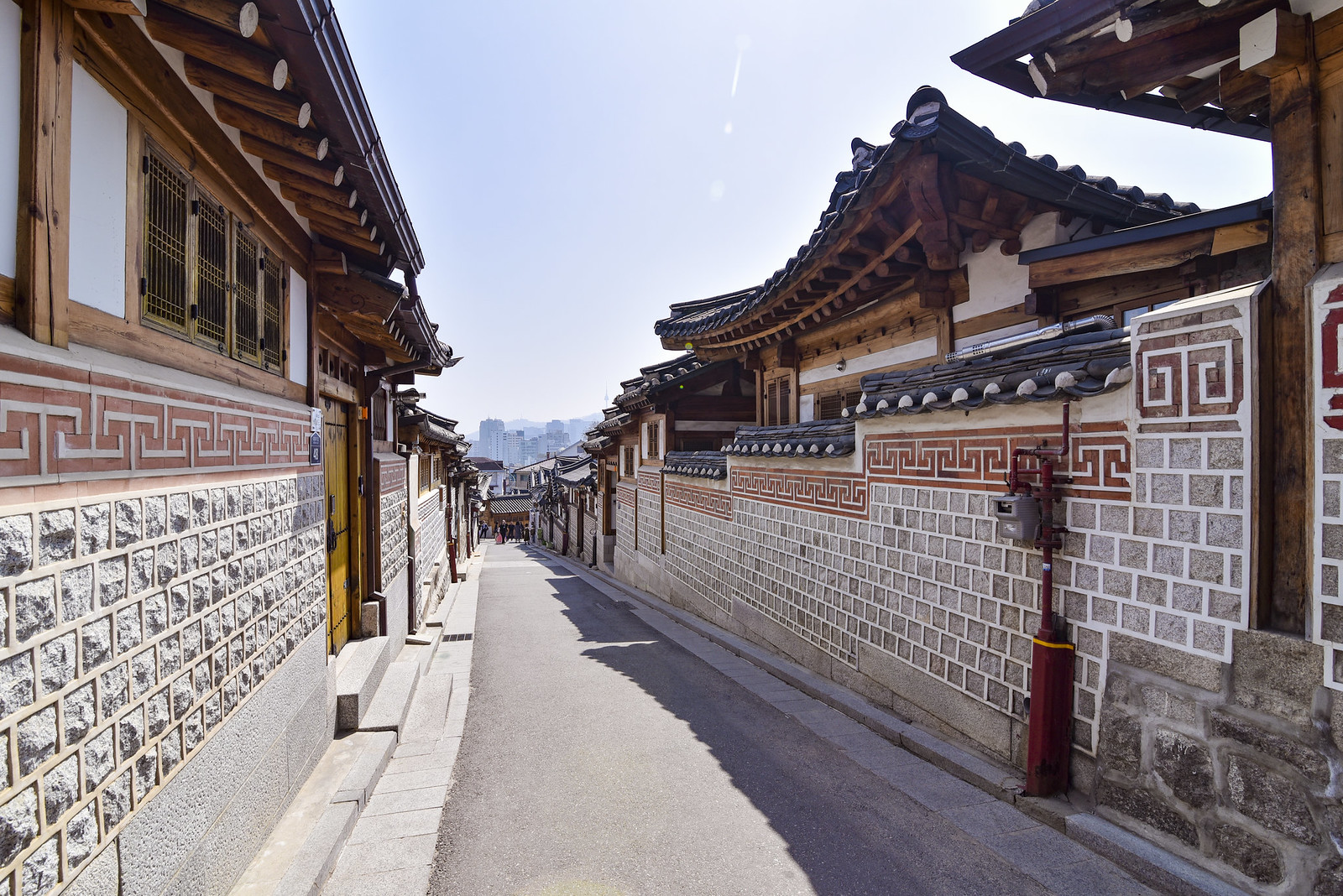
Day 1 highlights – Gyeongbokgung, Blue House, Bukchon Hanok Village, Jogyesa, Insadong, Ikseondong Hanok Village, HiKR, Myeongdong
If you have only one day in Seoul follow this itinerary, just head to the Namsan park in the evening – the cable car works till 11pm, so does the Namsan tower, if you wish to go (the views from Namsan park is already wonderful, so there’s no need to go up the tower really).
Day 2 highlights – Jongmyo Shrine, Changdeokgung and Secret Garden, Changgyeonggung, Ihwa Mural Village, Seoul City wall walk, Dongdaemun, Gwangjang
If you have only two days in Seoul follow this itinerary, but skip Gwangjang and head to Hongdae in the evening (you can find details in the day 4 itinerary).
Day 3 highlights – Gyeonghuigung, Donuimun Village, Deoksugung, City Hall, Myeongdong, Namsangol Village, Namsan Tower
If you have only three days in Seoul skip the palaces and Donuimun village in the morning and head to Hongdae instead, then head to the City Hall and follow this itinerary. In the evening, after Namsan tower, visit Banpo Hangang park for the fountain show.
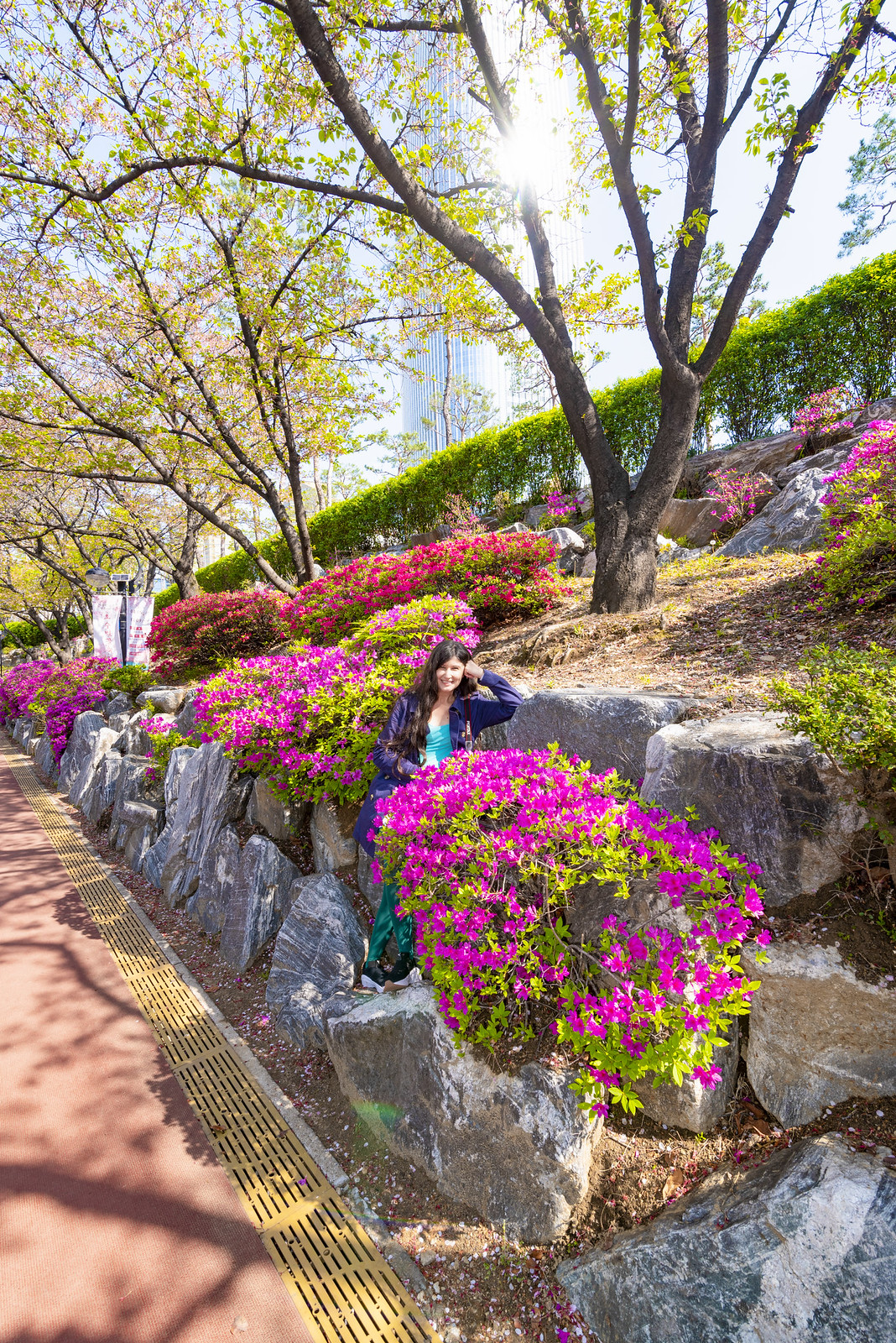
Day 4 highlights – Seokchon Lake, Starfield COEX Library, Bongeunsa, Yeouido Park, Hongdae
If you have only four days in Seoul follow this itinerary.
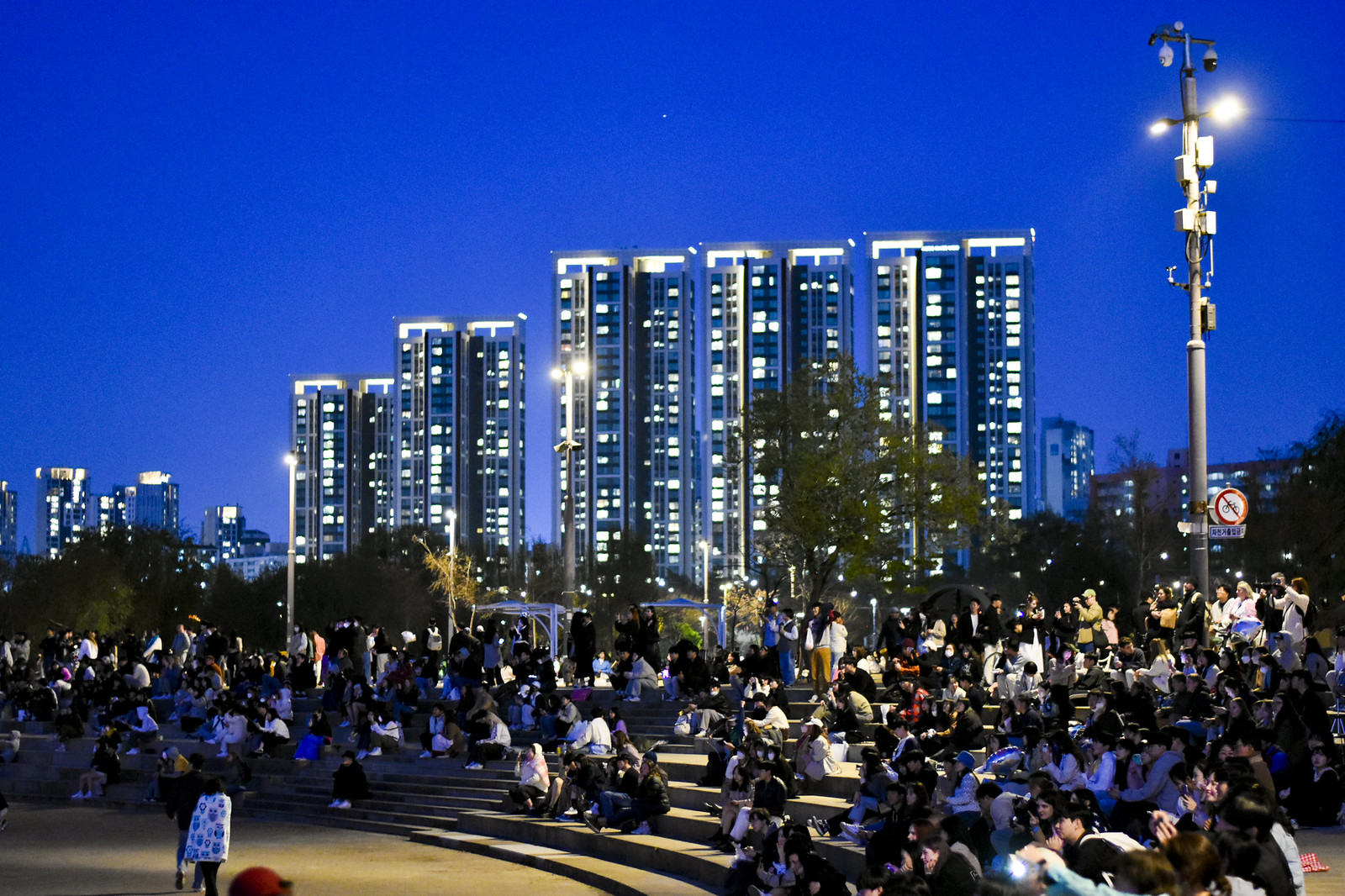
Day 5 highlights – Seoullo 7017 Walkway, Namdaemun Market, National Museum, Itaewon, Banpo Hangang Park
If you have five days in Seoul you can follow this itinerary or replace day 5 with one of the trips outside Seoul, like DMZ or Suwon. In my opinion Nami and Garden of Morning calm aren’t worth it unless you have more than 5 days.
Additional days
- Suwon and Korean Folk village (that is often used, as a set in K dramas) – day trip from Seoul
- Nami island and Garden of Morning calm – day trip from Seoul
- DMZ tour – day trip from Seoul
Join our travel community on Facebook Coffee Fueled Travel Club
See Also